Theodore Roosevelt famously said, “believe you can and you’re halfway there”. Self confidence is all about trusting our abilities and believing that we can do what we set our minds to. I’d say I am quite an ambitious person and am grateful for all my achievements – big or small. However, self-belief is also about […]
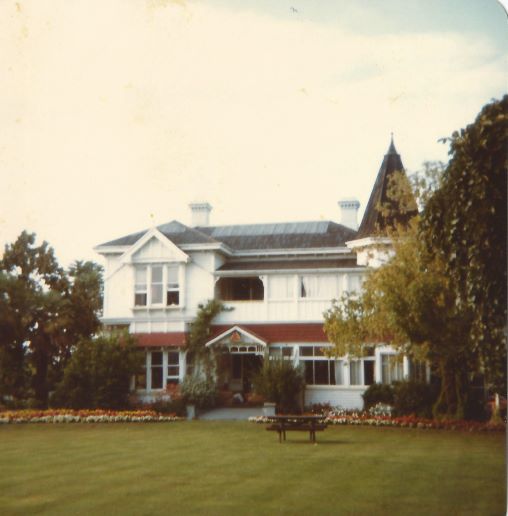
They had always provided a bed for the night with a large communal kitchin which was always well equiped. The common room was always full of books and games, along with the ubigious ‘National Geographic’ magazines. To keep the costs down, there was a roster of chores to be done by the guests who were staying.
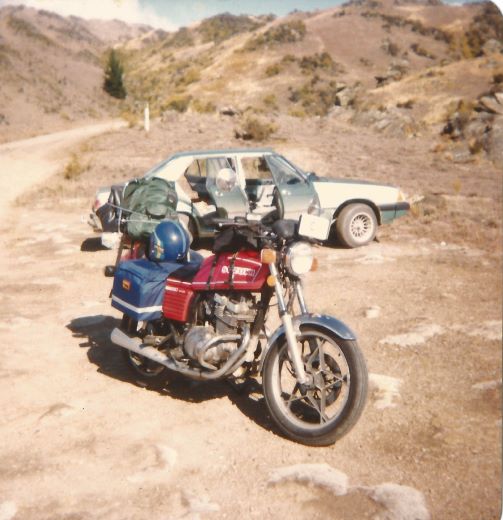
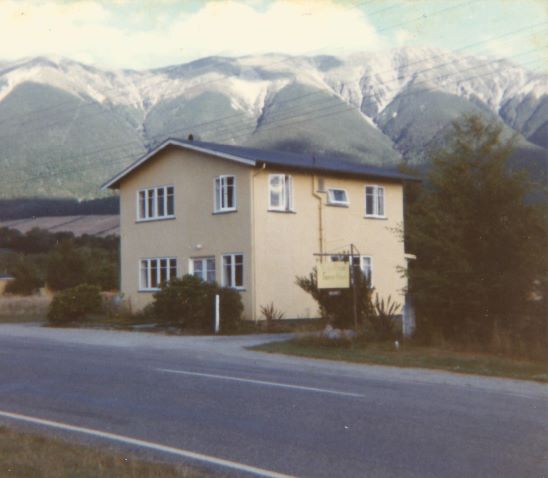
I first learnt about them in 1985, when I was 19yrs old, with little money, but a burning desire to see the country. So off I went on a 250cc motorcycle and cruised around the South island, staying at YHA’s everywhere I went.
Some of the places were right off the beaten track and quite remote. I always loved the solitude there, along with the fellow travellers, who were always insightful, and carefree.
It was always really neat spending time with foreign travellers. They would mostly be Germans with a few English and there always seemed to a sole Swiss person everywhere I went. It was rare to meet another Kiwi staying there.
Over the years, there some places I always went back to often. It just seemed that life tied me up in knots, and these places helped me see things in perspective.
Then I got older, got married, had kids, but I still remembered the good times I had, and we travelled as a family and stayed at YHA’s, when ever we could.
I took today (Wednesday) off work so I could support my youngest daughter. They have now started a campaign of peer pressure for school aged children to get vaccinated and the ‘vaccination bus’ was visiting her school that day. They don’t need the parents permission to vaccinate the kids. They just need the child’s ‘permission’. When you factor in the ‘incentives’, like a $100 vouchers for a supermarket, it’s a dubious operation.
Our reasoning for our children been unvaxxed is really simple.
We left it up to them to decide. (they are 14 & 16yrs old) They did their own research, and as their parents we support whatever decision they have made.
In the end we decided it was just easier to keep our child away from school & avoid all the hassles.
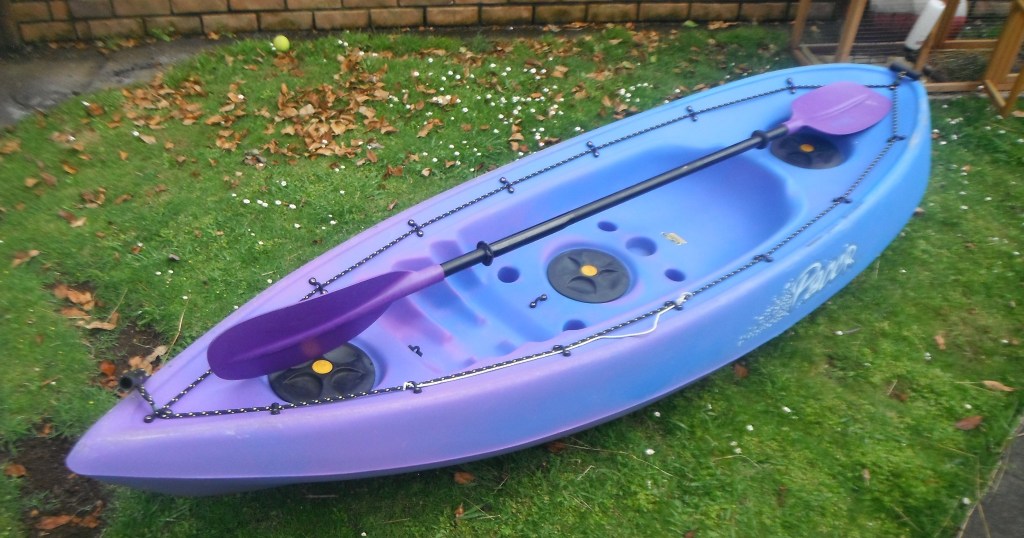
So that meant I had a spare day at home. I normally go for a good bike ride, but it was pissing down with rain this morning, so me and daughter went and picked up our new kayak instead.
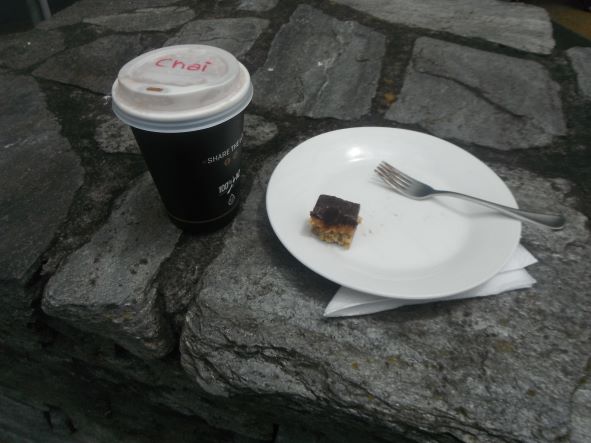
The weather cleared in the afternoon, so I went for that bike ride to my favorite cafe. There was a lot more life to the place, than last time. People were sitting down around tables & talking casually without masks on. It was like normality had returned, even if only briefly. There were only desserts still available at this time, but I was so hungry, I just gulped it down and almost forgot to take a photo..
The ride back home was faster than normal. I think I just needed to work off that dessert!
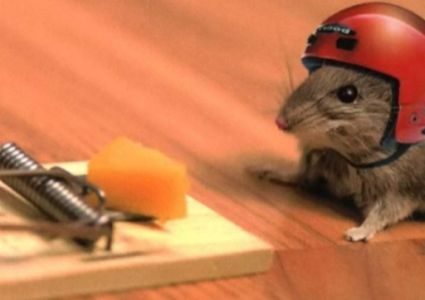
Most people are terrified of death. This leads them to a life of avoiding death at all costs, therefore never taking risks and not really living life as a result. They just survive day to day, making sure to merely preserve what they already have.
You only need to look at the hysterical response to covid, which you have a 99.95% chance of surviving.
I view death as something that will happen at some point, but there’s no point in worrying about it until it happens. That doesn’t mean I’m a reckless person, but it does mean I look at risk in a rational way.
I taught this skill to my oldest daughter who is a bookworm by nature. It led to us jumping out of a perfectly good plane at 12,000ft, so we could freefall for 40 seconds before the parachute was opened. It’s hard to describe the experience, but it’s something you never forget.
The only times I’ve confronted death (apart from near misses) is when I’ve gone to funerals..
The first funeral I went to was some guy that held me in his arms when I was three, and apparently was a really good guy. I was about nine yrs old at the time and obviously don’t remember him. I do remember that everyone was sad for some reason and that the club sandwiches on the table with a strange green thing (asparugus) tasted really horrible.
The second funeral was for my father. I wasn’t close to him as my parents had got divorced years earlier and I got kicked out of his house 2 weeks before School C exams (high school) to make room for his new partner.
The third funeral was for a mate who lived life to the full, and was killed in a motorcycle accident. it was a very positive affair and was effectively a celebration of his life. When I die, I would like my funeral to be like that, rather than a sad affair that leaves people unable to move on.
The forth funeral was for my father in law. It was a very sad event. I gave a positive uplifting speech which I think lifted some peoples spirits a bit (but not much). Over time my wife and family have moved on and now he’s a pleasent memory.
In conclusion, you are only here for a limited time, don’t waste it.





You must be logged in to post a comment.