I’m always a bit cautious about saying I’m ‘doing fine’, because that can change in a heartbeat, also, a statement like that can lull you into a false sense of security.
Health wise, I’m consistently holding the same weight -82KG . I do a lot day to day stuff around our property, which keeps me fit and trim if I watch what I eat.
This helps keep my joints working well, because I know from past experience that no exercise leads me to having knee problems.
Another that helps during winter is to always wear knee supports, although its more about keeping my knee’s warm, which helps enormously.
I’ve largely given up on doctors and other health stats because they are generally just alarmist. BMI indicator? If I plug my numbers into a computer app, it will tell me I’m a fat & unhealthy, yet at 5’8″ (176cm), I not overly wide Blood Pressure -don’t know, but it’s generally lower than normal anyway Cholesterol? thats just an overly complex ‘science’ that keeps changing it’s mind every five minutes.
So in the end, I’m just looking after myself as best as I can.
In case you didn’t know, there’s an election here in NZ in a few weeks time.
It’s tempting to just ignore it and not bother voting, but then that could mean the ‘wolves’ get voted in, and for the ‘sheep’, lamb is back on the menu..
Below is an article from one of the founders of Voices For Freedom.
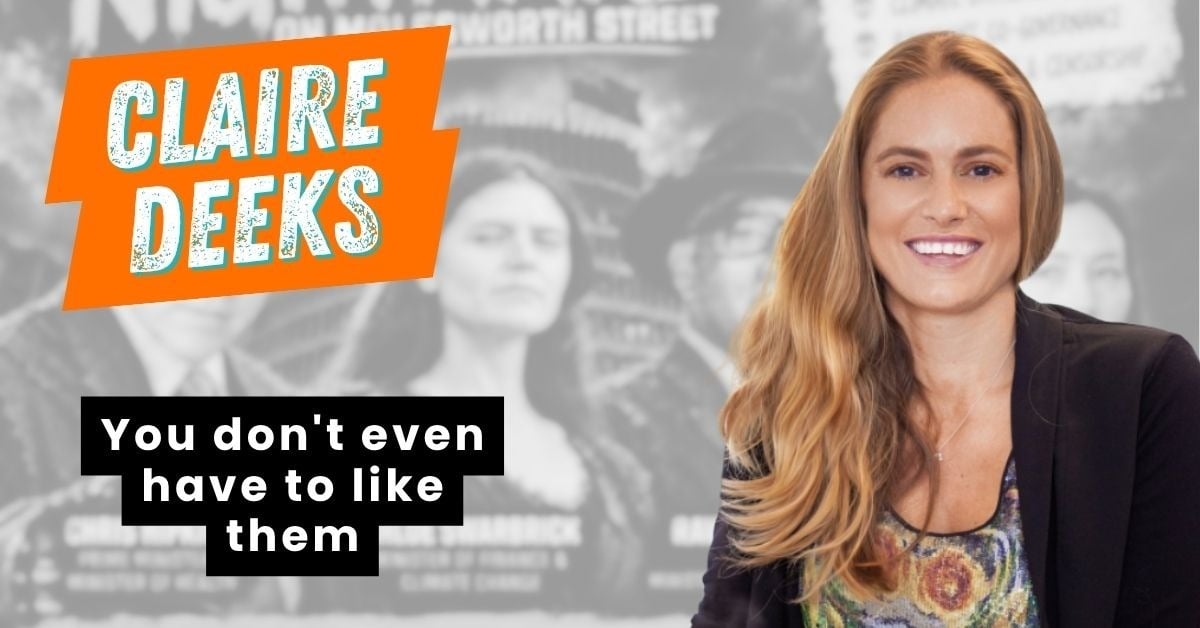
You don’t even have to like them
16 October 2026
by Claire Deeks
With the election just a few weeks away, there’s something I want to talk about.
I’ve heard from people who have decided they won’t be voting this year. Others are still trying to work out who, if anyone, deserves their vote.
And I understand why.
After everything we’ve experienced over the past six years, it’s hardly surprising that so many New Zealanders have lost faith in politicians and the political system.
When Alia, Libby and I started Voices for Freedom back in 2020, we were three mums who were deeply concerned about what was happening to our country and what it meant for our families. We had no idea what lay ahead. We certainly didn’t expect to find ourselves doing what we’re doing today!
But we knew that staying quiet wasn’t an option. And so did the thousands of New Zealanders who joined us. Together, we’ve challenged government decisions, asked difficult questions, supported one another, built communities and created our own independent media platform.
We’ve had our fair share of disappointments along the way. But we’ve also seen what can happen when enough ordinary people refuse to give up.In fact, we’ve just had another reminder of that.
This week, New Zealand was one of only two countries to abstain from a United Nations vote on a declaration concerning pandemic preparedness. Foreign Minister Winston Peters made the decision, citing concerns about protecting New Zealand’s sovereignty and our ability to make our own decisions about public health.
For years, people like us have been raising concerns about the WHO, international health agreements and the importance of keeping decisions about New Zealand in New Zealand.
And here we have a political party taking a position on the international stage that reflects some of those concerns, despite considerable pressure to fall into line.
That matters. And I think we should recognise it.
You don’t have to agree with everything Winston Peters says or does to appreciate this particular decision. You don’t even have to like the man!
We should still question him, challenge him and hold him accountable, just as we should every other politician. But this is a timely reminder that political pressure, public scrutiny and persistent voices can make a difference.
And that brings me back to the election.
I know many of you feel there is no party that truly represents your views.I share plenty of those frustrations. But I worry about good people becoming so disillusioned that they decide there’s simply no point in participating.
Because the decisions made in Parliament will affect us whether we vote or not. They will affect our families, our businesses, our freedoms and the opportunities our children have in the years ahead. And as we’ve learned the hard way, the people making those decisions matter.
We don’t have to find a perfect political party to recognise that some outcomes may be better than others.
Nor does voting mean giving anyone a free pass. Whoever forms the next government, our job remains the same. We keep asking questions. We keep speaking up. We keep holding them to account. That’s what Voices for Freedom has always been about.
So, if you’re thinking about sitting this election out, I’d encourage you to give it some more thought. Look carefully at the options. Consider what matters most to you, what each party has actually done, and what the possible election outcomes might mean for New Zealand.
Whatever you decide on election day, I hope you make that decision from a position of knowledge and conviction, rather than frustration or resignation.
Six years ago, we decided that our voices mattered enough to stand up and use them.
I still believe that today. And I hope you do too.
Now that I’m a man of leisure, I’ve got back into some hobbies with a renewed wave of enthusiam.
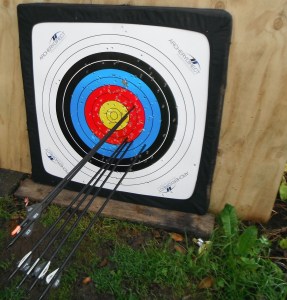
Archery is a bit like golf in that technique has a lot to do with accuracy. You need to do everything exactly the same to get consistent results
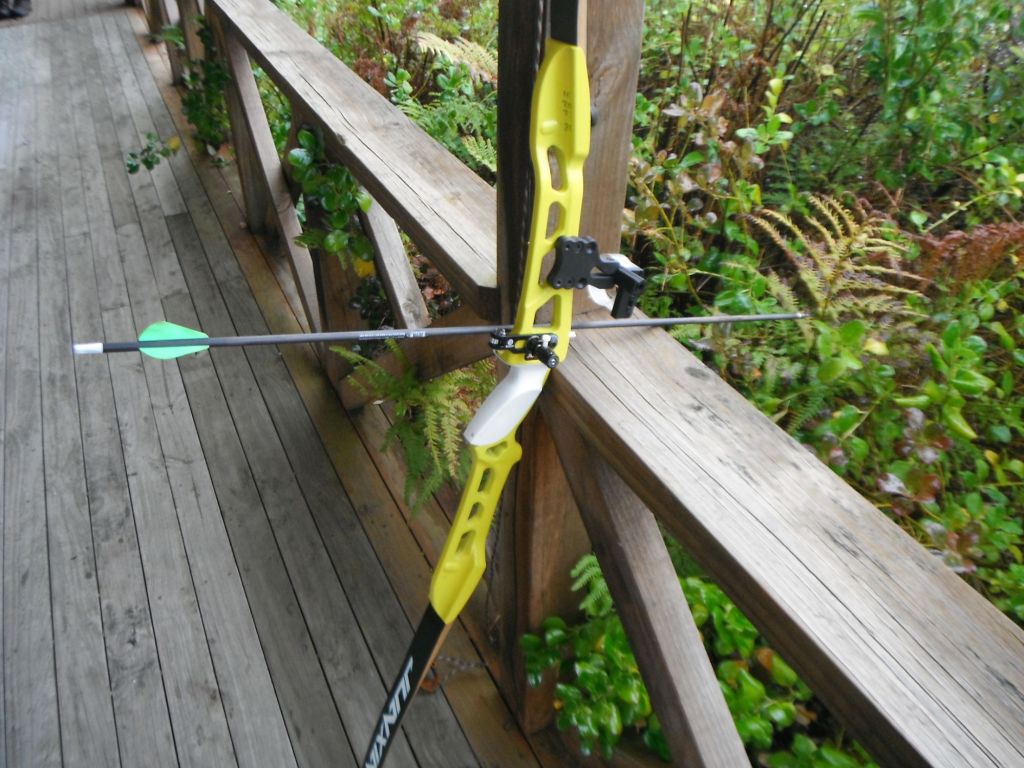
A good quality bow is essential for accuracy, because cheap ones keep flexing in all the wrong places.
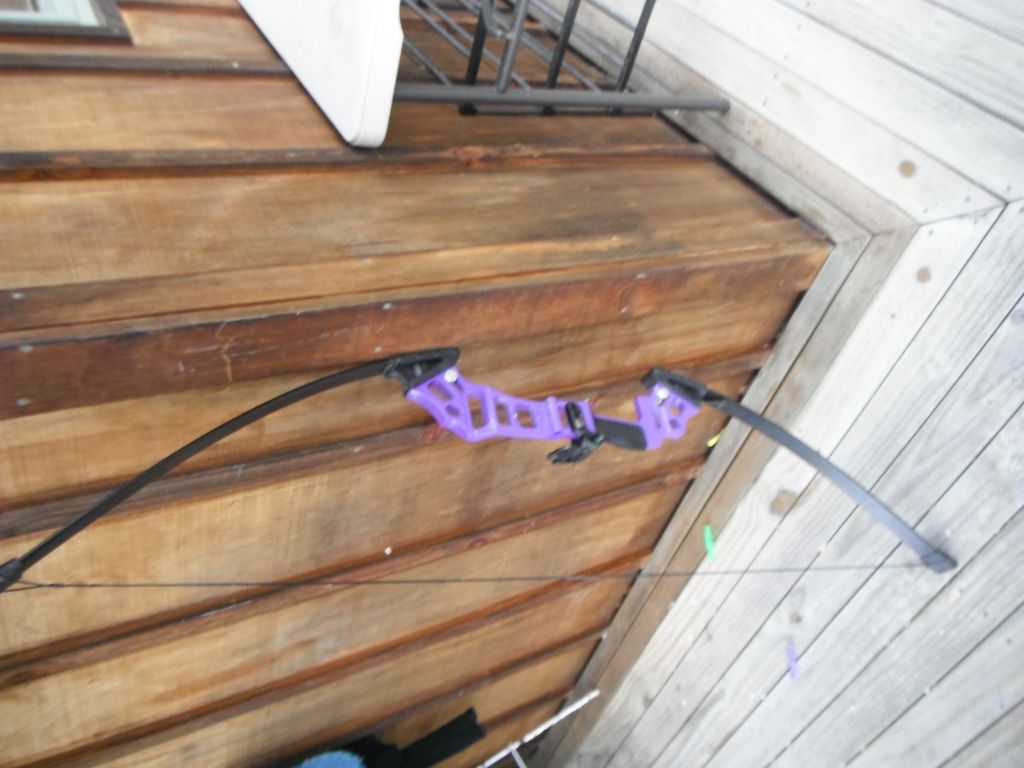
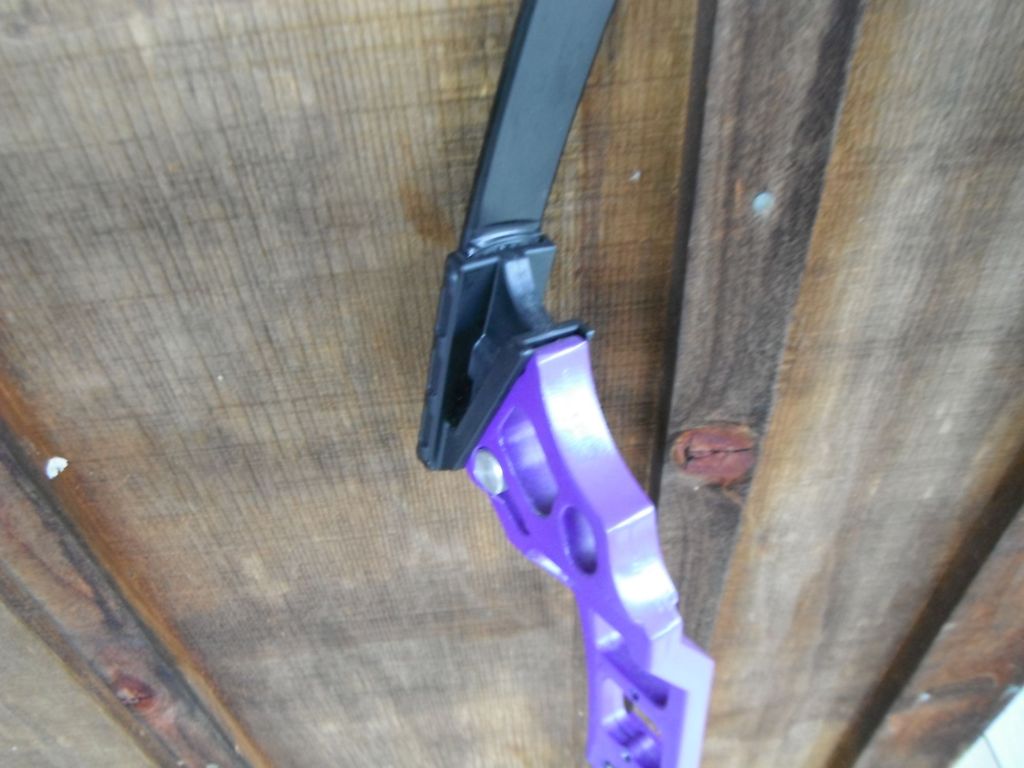
This rather cheap bow is rather wonky where the limb (springy bit) joins onto the riser (the purple bit). More expensive bows like the one above are far sturdier and a lot more accurate.
Next up is the arrow rest / plunger button arrangement. these are rather fickle to setup, but once done, they are brilliant.
The plunger has an adjustable spring in it, for fine tuning the bow (left / right axis)


You must be logged in to post a comment.