
Book review -The Reason for God

The Reason for God. Belief in an age of scepticism
By Timothy Keller

This book was given to us from some rather well meaning        religous friends

Religion is a very personal emotionally charged subject for some, so I’m well aware of possibly offending someone, somewhere.

Been a live at let live sort of person, I have no strong beliefs about religion -simply put, if it works for you, so be it.

The book itself has a series of common questions that come up about beliefs in God, as noted by the author who is the head of a popular Christian church in the USA.

The book starts off lightly and helpfully corrects some misconceptions about religion that I’ve held for years

  • If you believe in God, you are doing this as an act of faith, because you cant prove God exists. If you don’t believe in God, you are also doing this as an act of faith, because you cannot prove God doesn’t exist.
  • Those annoying, fanatical, overbearing, self-rightous religious people, you run into occassionally, aren’t ‘super religious’ at all. They haven’t learned to be humble, sensitive, empathetic, and forgiving as christ was, and therefore aren’t religous enough. (P57)
  • Religious people aren’t perfect, churches are like help centres for those finding their way, rather than for people who are already there. Expecting  ‘perfect’ christians at a church is a bit like expecting only healthy people at a hospital.

The book gets deeper and deeper after that and starts to lose me because I’m not that clued up on the bible.

For example, It mentions ‘The Da Vinci code’ which while it’s fictional, it has started a flood of bible revisionism.
I’m not up with the play on that topic, and I don’t think I need to be.

To sum it up another way, I don’t need to be a qualified chef to fry an egg, I can do it just fine thank you very much.

It’s probably therefore a book that I need to read from cover to cover several times to ‘get’ it, but I probably need to read the bible first.

It’s like the book tries to pull you into a certain way of looking at things, and you are either on that bus, or not.

Overall it feels like the book nudges you to think about God in a certain way, and ‘join the club’, I dont think it sets out to do this intentionally, but thats where I ended up.

Perhaps my attitude will change as I read the book a few more times, but thats how it feels to me at the moment

Considered Opinions – The Zero Sum Mindset

Have you ever felt that you were in a competition for the most perfect life or wonderful experience? What about jostling for prime position in a hierarchy of grievance? Sometimes it can feel that there isn’t space for two winners or any validity in a ‘lesser’ experience.

These are all examples of how the Zero Sum Mindset can create division and dissatisfaction in our lives and relationships. In this podcast we talk about the prevalence of this ‘zero sum’ mentality in our society and culture and what we can do about it.

Listen Now:
https://consideredopinions.substack.com/p/the-zero-sum-mindset

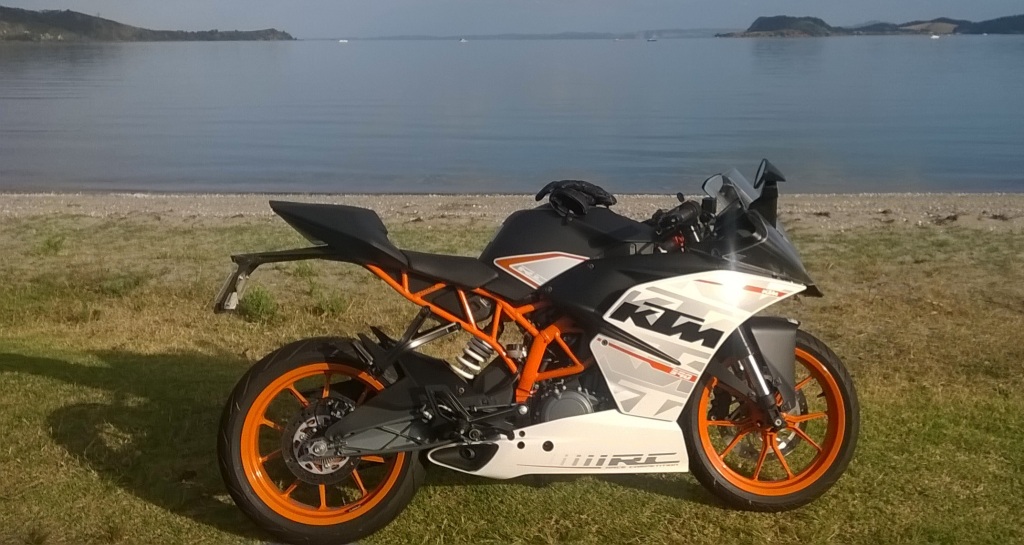
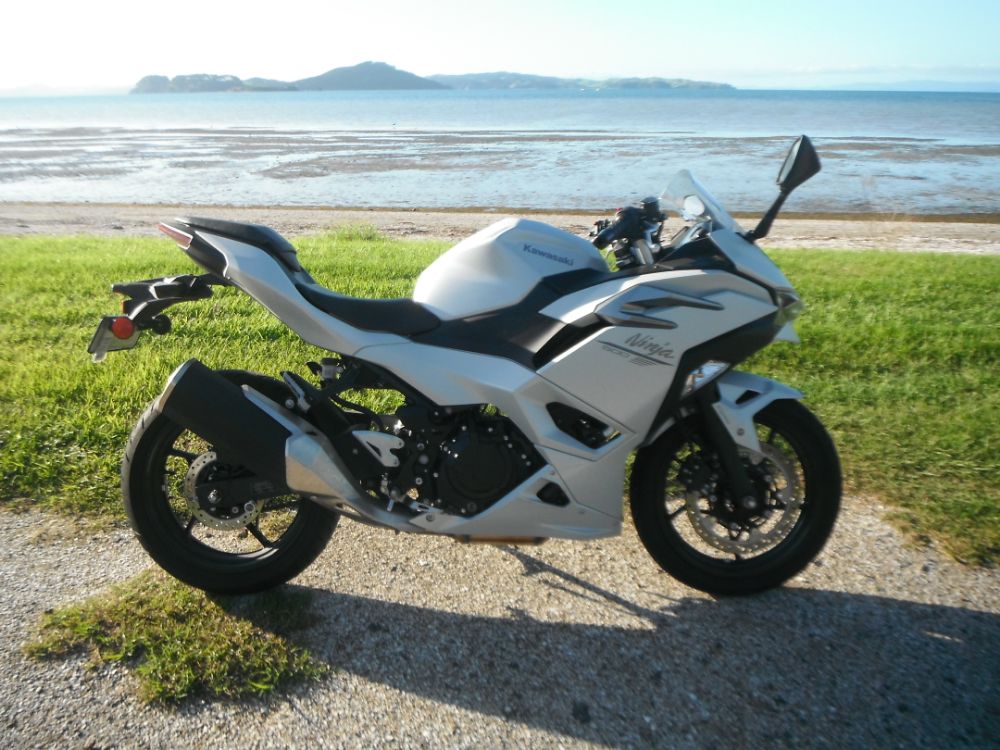
2025 Kawasaki Ninja 500 vs  the 2015 KTM RC390

The Kawasaki is quite the conservative motorcycle.
The one above is the basic no frills version, however, for a few more dollars, you can get the KRT version  (Kawasaki Racing Team!) with a go faster paint job (black with green graphics), LED indicators, and a full colour display, rather than Black & White.  Note how nothings been added to make it actually go faster than the basic model..

It’s a basic, no frills product thats well thought out., and there’s very little to complain about as a result.

Pro’s

  • It’s comfortable
  • It’s just as fast as the old KTM.
  • It starts reliably and runs well, even when cold
  • The clock keeps time
  • It’s nicer to ride in the rain, even if the tyres don’t seem to stick as well.

Cons

  • a lack of character, it doesn’t inspire you like a European bike tends to.

KTM’s image is decidedly edgy and all about that racing image..

This RC390 was the first of a new class of smaller sports bikes first introduced in 2014. Yamaha, Honda, etc soon got around to bringing out their own versions, but to me, they missed the raw energy and single-mindedness that typically comes with a European bike.


On paper, the RC390 has better front forks, and tyres, compared to the Kawasaki, which should translate into better handling, but somehow it doesn’t.

In the end, the Kawasaki just goes around corners easier and faster than the KTM. The KTM feels faster, but the speedo doesn’t lie.

Pro’s

  • It has better mid range torque
  • It sounds better

Cons

  • It strains your wrists around town, because of the head down, bum up riding position.
  • If your stuck in traffic, the radiator fan blows hot air at you.
  • A ‘low fuel’ alarm screams at you, even though there’s heaps of gas left.
  • It’s stable in corners, but I never felt comfortable pushing it that hard.
  • It never ran well when cold and would cut out at every intersection until warmed up. restarting it was generally a mission, rather like waking up your dad when he’s drunk.
  • Hot starts were OK, except when it was in a tempermental mood (often)
  • The clock is a waste of time.

That conservative vs edgy image is illustrated nicely by comparing the manuals provided with each bike..

In conclusion, the Kawasaki’s just better all round, and easier to live with. KTM still make the RC390 as I write this, but given their financial woes, and their well known glitchyness, I can’t imagine a newer one been much different or better.