Part 2 is here..
https://uncoffined.com/2023/11/16/our-family-holiday-part-2/
The Bridge to Nowhere -Gateway to the ‘Valley of Abandoned Dreams’
After spending a night in Whanganui, and catching up with old friends, we headed towards our rendevous with a Jet boat at Pipiriki.
The road to get there is a rather long, lonely winding road (We only saw a tractor and a few utes going the other way).

Pipiriki was once a busy river port on the Whanganui river until the road was built, and then other factors lead to it becoming a relic of the past. There are now only a few houses left there.

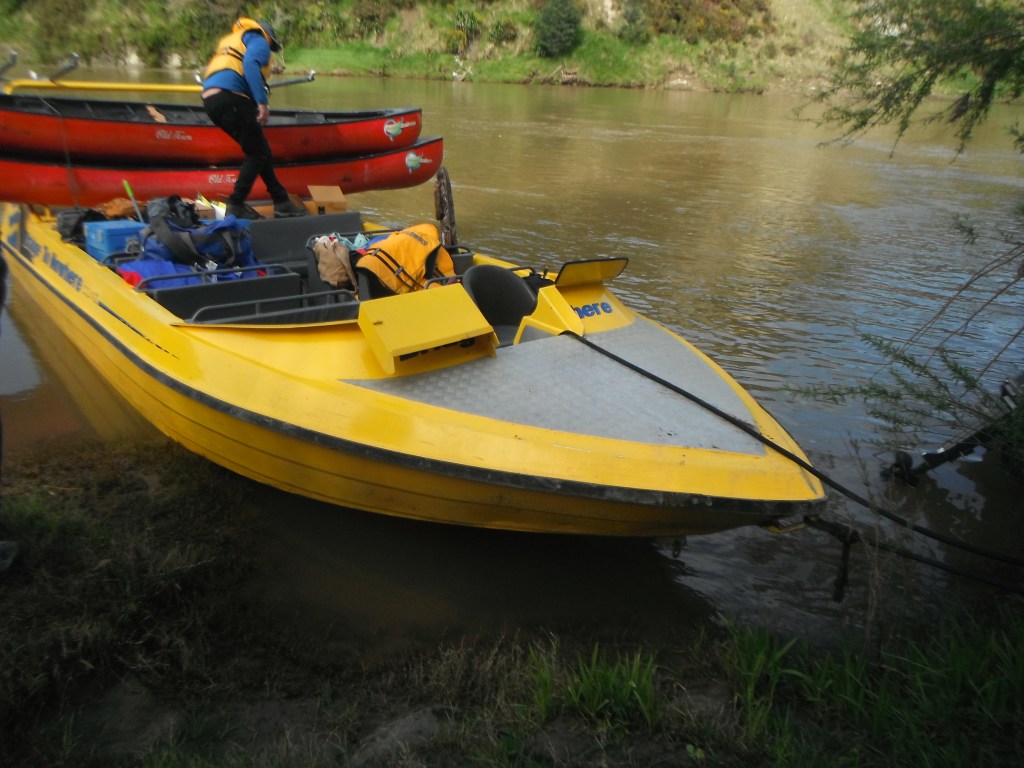
Our Jet boat took us 30km (18 miles) upstream to the Mangapura landing, where once upon a time it was a place of hopes and dreams.

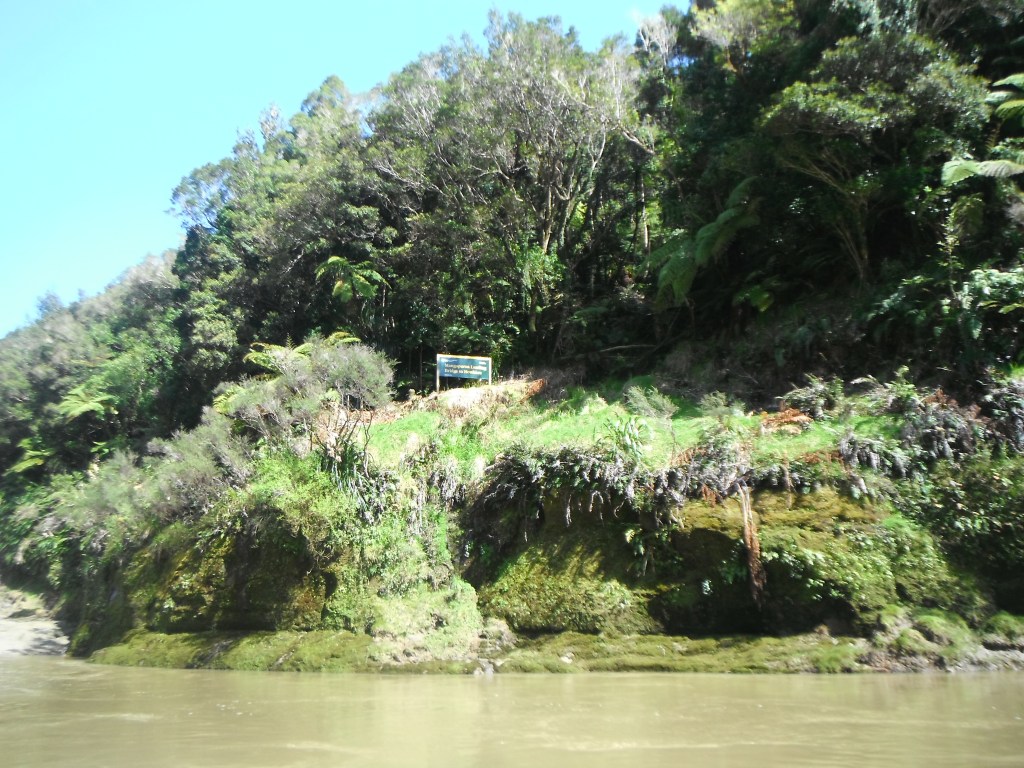
From here, its a forty minute walk to the ‘Bridge to nowhere’.


The bridge is a reminder of an ambitious scheme to settle the area in the 1920’s through to the 1930’s.
The land was originally surveyed in 1917, and mostly taken up by WW1 veterans in the 1920’s.
They would turn up to their allotted section, pitch a tent and start clearing the native bush.
The preferred method of clearing the bush was to cut it all down, apart from the big trees. (this came back to bite them). They would then leave it all for 8 months to dry out, then burn it.

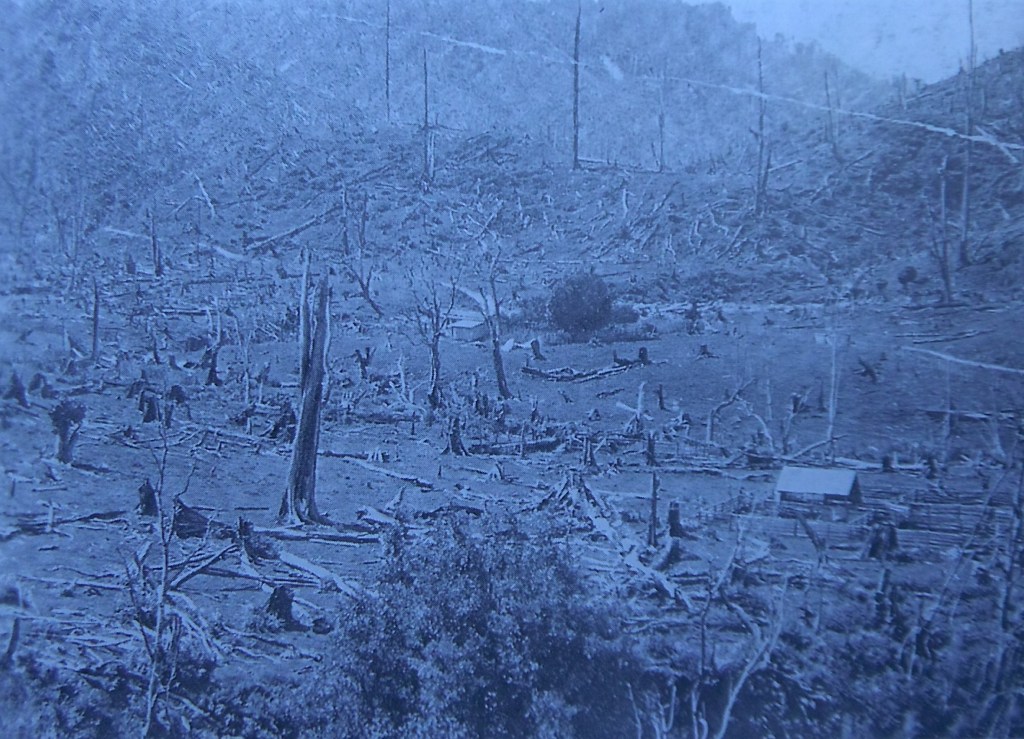
The ash from the fire was good fertiliser and they hand sowed grass seed over their property, which grew well initially…
They favoured farming sheep, but after a few years, everything started going pear shaped for them…
- Their farms still had the remains of the larger burnt trees, which the sheep would rub up against, which then spoiled the wool.
- That fertiliser from the ash was only good for two years.
- The soil was a rather thin layer on top of rock, and in poor condition. (Analysis has since shown it has a magnesium deficiency).
- To get the wool to market required taking the wool bales on a small boat from the Mangapurua landing to Pipiriki (31km / 19 miles), then transferring to a larger river boat for the trip to Whanganui (77 kms / 48 miles). -It cost more in freight, than you got for the wool, so you actually made a loss for all your efforts…
- Roads were taken out by rain and flooding on a regular basis.
- Lots of plain bad luck -A whole shipment of telephone equipment (poles, telephone wire, etc) got lost when the river rose up overnight and swept it all off the river landing where they had just put it all the day before. (It was mostly found 165 km’s (103 miles) away on Foxton beach)
The bridge below was built in 1936, to replace an older one which could only handle an unladen horse (you had to unload, take the horse across, then carry everything over and reload it back on the horse).
By this time, most of the farms had been abandoned after the farmers just walked off the land, and had found better prospects somewhere else. There were only 6 farms left by the time the bridge was finished.

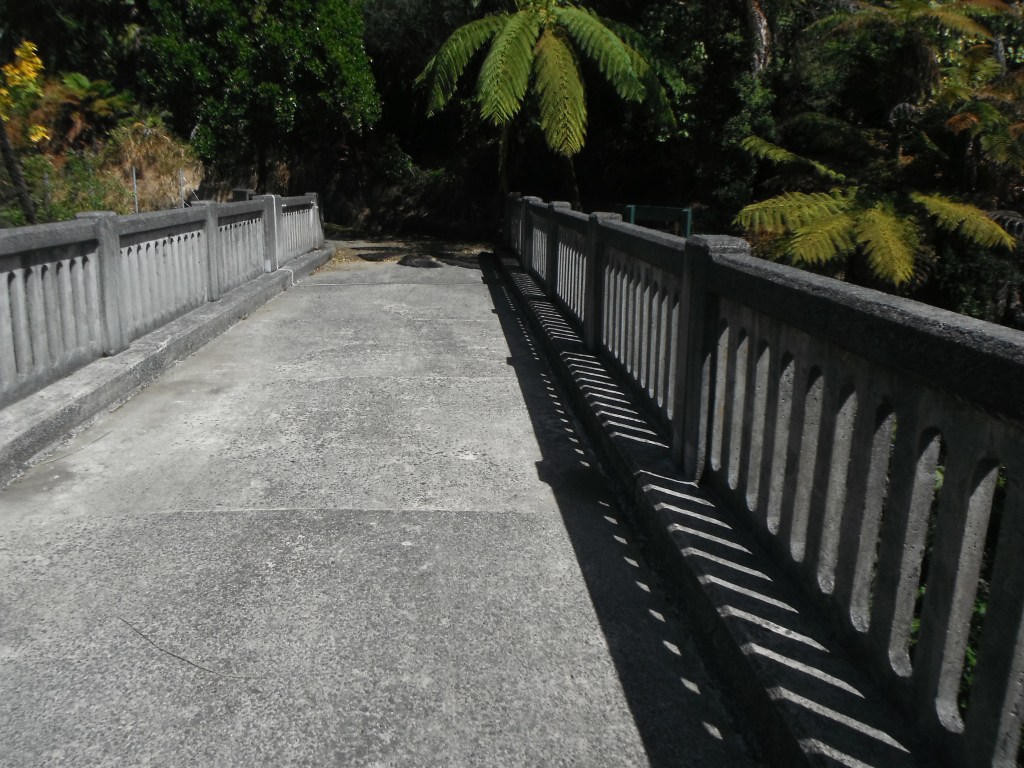
Probably less than 1/2 dozen cars ever crossed the bridge, and that was mostly during the opening ceremony.
By 1942, it was all over. The winter rain took out the roads (again) with quite a few slips. The Government by now had realised what a waste of time it all was, and refused to repair them, as did the local council. The remaining 3 farmers had no option but to just walk off and leave 20 years of hard work behind.
There’s very little left now apart from this bridge which is sitting in dense bush, 30km (18 miles) from the nearest road, hence it’s the ‘Bridge to Nowhere’.
The whole area is now a national park.


Poor farmers. But what a beautiful place to lose your shirt.
LikeLiked by 1 person